
The Ultimate Guide to Epoxy Flooring for Moisture-Prone Basements
If you own a home on The Island, you likely know the struggle of maintaining a dry, comfortable basement. Between seasonal weather shifts and high water tables, keeping moisture out of subterranean spaces is a constant battle. For many homeowners, the dream of a finished lower level is dashed when traditional flooring materials like carpet, laminate, or hardwood succumb to dampness, leading to mold, warping, and costly replacements.
At Excel Interior Renovations, based right here in West Babylon, we understand the unique environmental challenges that local homes face. We have seen firsthand how water intrusion can ruin a beautiful renovation project and strain a family's budget. That is why we highly recommend rethinking your foundation's finish. Instead of fighting nature with susceptible materials, modern homeowners are turning to advanced, highly durable solutions.
By leveraging industrial-grade finishes, you can transform a damp, uninviting concrete slab into a stunning, functional living space. Whether you are looking to create a durable playroom, a sleek home gym, or an elegant entertainment lounge, the right flooring sets the foundation for success. In this guide, we will explore why basements are so vulnerable to moisture and how specific flooring upgrades can protect your investment while elevating your home's aesthetic.
Understanding Basement Moisture and Hydrostatic Pressure
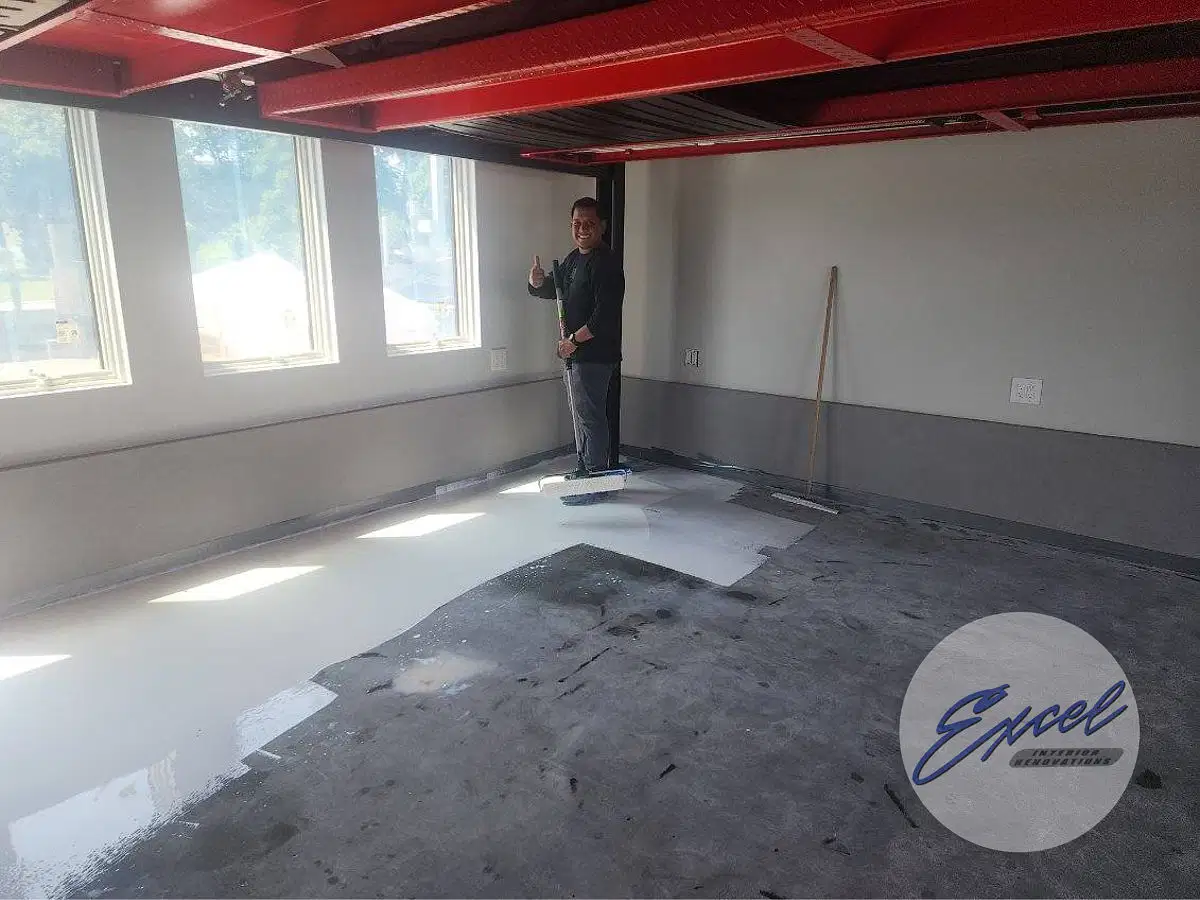
Before investing in any home improvement project, it is essential to understand the environment you are working with. Basements are inherently prone to moisture because they sit below grade. When ground water levels rise—especially after heavy rains or snowmelt typical across The Tri-State Area—the soil expands. This creates hydrostatic pressure, which forces water vapor and sometimes liquid water through the porous concrete of your foundation and floor slab.
When standard flooring is placed over this concrete, moisture gets trapped. This leads to a breakdown of adhesives, buckling boards, and the proliferation of mildew. Many homeowners ask us, "What is the difference between a general contractor and a subcontractor when it comes to fixing this?" A reliable general contractor oversees the entire project—from diagnosing the root cause of the moisture to bringing in specialized masons or flooring experts to address it—ensuring that the solution is comprehensive rather than a quick, temporary fix.
To truly protect your space, you need materials specifically engineered for these tough conditions. This is where waterproof basement floor coatings for moisture resistance come into play. Unlike surface-level paints that easily chip and flake when exposed to dampness, specialized chemical coatings penetrate and bond with the concrete. By preventing epoxy floor peeling from hydrostatic pressure through meticulous surface preparation and the use of specialized primers, a knowledgeable general contractor ensures your new floor will stand the test of time, saving you from the financial pain of replacing ruined materials year after year.
The Unmatched Benefits of Epoxy Flooring
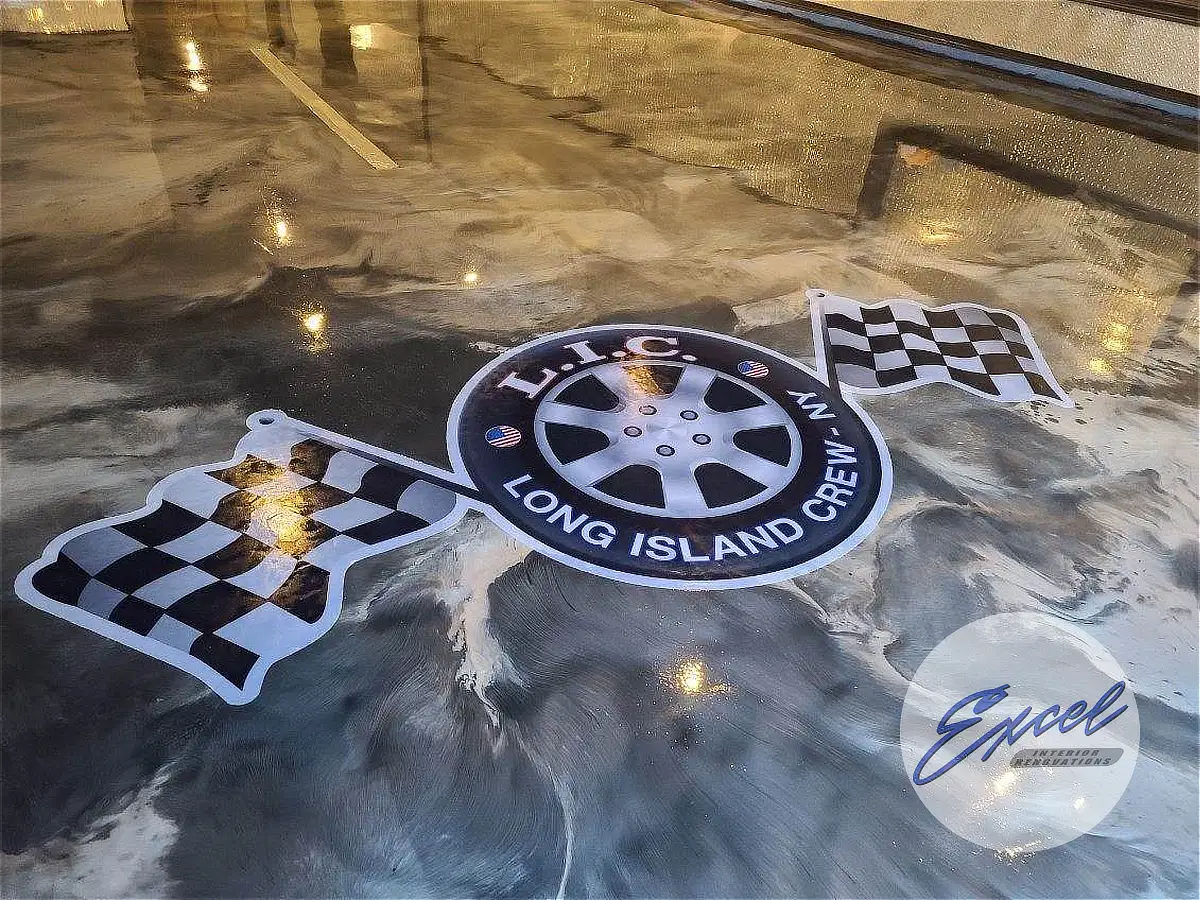
When it comes to outsmarting moisture, few materials perform as exceptionally as epoxy. While you might associate it with commercial garages or industrial warehouses, today's residential epoxy is highly customizable, offering a stunning array of colors, flakes, and metallic finishes that rival high-end stone or marble.
One of the most critical steps in our process involves applying vapor barrier epoxy coatings for concrete basements. This specialized base layer mitigates moisture transmission from the earth beneath your home, effectively sealing the concrete and creating a dry, stable canvas for the decorative topcoats.
Beyond its moisture-blocking capabilities, we frequently recommend our Epoxy Floors because of their incredible resilience. As many clients ask when considering garage or basement upgrades, how does it hold up to heavy use? Epoxy can withstand severe wear and tear, from dropped weights in a home gym to heavy furniture in a media room. Best of all, it is incredibly easy to maintain. Unlike porous grouts or easily scratched woods, a simple sweep and mop keep it looking brand new. And if the surface ever does become damaged after years of heavy use, it does not need to be entirely torn out; it can be repaired, polished, or recoated, making it a highly sustainable and cost-effective long-term option.
Integrating Epoxy into Your Complete Basement Remodel
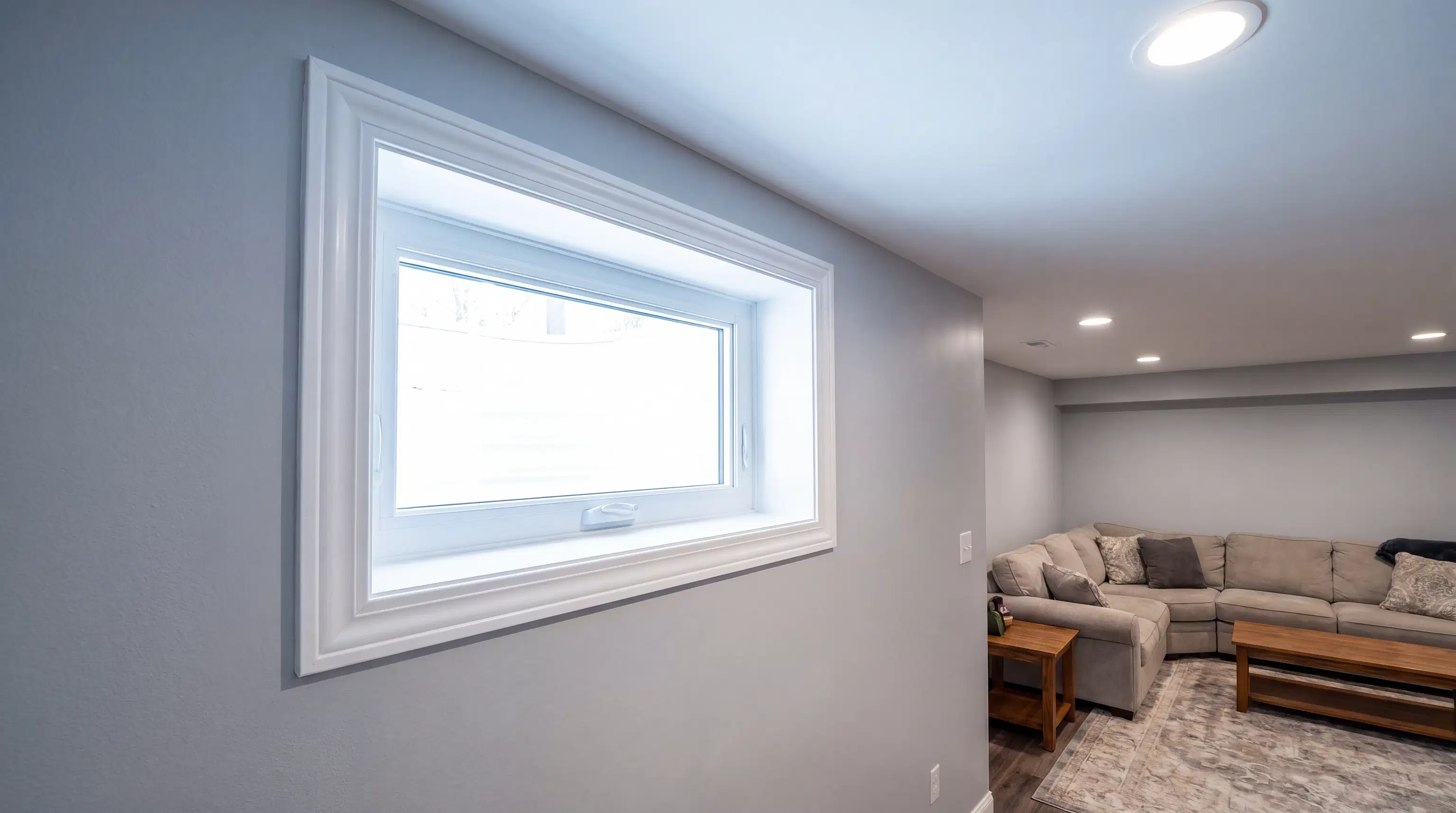
A beautiful, moisture-resistant floor is just the beginning. Upgrading your concrete slab is the perfect catalyst for a comprehensive Basement Remodeling & Finishing project. However, navigating a large-scale renovation can bring up a host of questions and concerns, particularly regarding local regulations and financial planning.
Many clients wonder: "Do I need to pull permits for my home renovation, or does the contractor do it?" When you hire a professional, licensed team, they should handle all local building codes and permit applications for you. This prevents costly regulatory delays and ensures your project is completely compliant with safety standards. It is always wise to verify a general contractor's license and insurance before signing anything; a reputable company will gladly provide this documentation to give you peace of mind.
Transparent pricing is another major priority for homeowners. You should never be left guessing about costs or facing unexpected markups. A standard payment schedule for a home remodeling project typically involves an initial deposit to secure materials and schedule the crew, followed by milestone payments as specific phases of the work are completed, with the final balance due only upon your satisfaction with the finished job. A written contract should detail this schedule clearly, along with the scope of work, materials used, and a projected timeline to protect you from the financial strain of inaccurate estimates.
If you are ready to unlock the hidden potential beneath your home and want to work with general contractor services that prioritize transparency, quality craftsmanship, and lasting solutions, Excel Interior Renovations is here to help. Contact us today to discuss your vision and discover how the right finishes can redefine your living space.